Really?
Well, it's everywhere, check Granpa or uncle Tim's shack ( if you include copies of it by lesser tool makers)
For something so abundant (well, Stanley sold them by truckloads), so common and so relatively inexpensive, I will attempt to wax some lyrical on them. By "them" I mean their design, their construction.
 The plane pictured above was purchased off ebay for $4.90. It looked like Joe Meatball (to borrow Patrick Leach's character) bought it, used it on some hardwood (pre silicon valley micro chipping at the edge)without first fettling the plane(unsharpened factory bevel), and put it away (in some dry place), and totally forgot about it.
First off, at Five Bucks, how can you go wrong? Five bucks don't buy you a door wedge these days.
1) The lever cap also serves as an ergonomic palm-rest to push the plane forward, and the oval shaped cut-out serves as a hanging hole on your pegboard, out of the way. And...yes...it also serves as an emergency adjustable door stop.That's 4 functions in one innocent looking component.
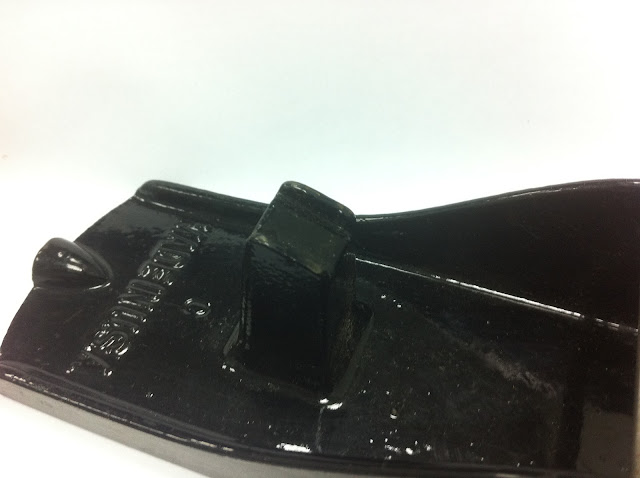
2)The Little nub (think Cadillac tailfin) cast into the rear end allows you the trained hand to adjust the depth of cut, by way of gentle taps with a steel hammer. No fear of peening the edge over the bottom of the plane. The nub is sacrificial in its duty. It is said (I forgot who) "...the simpler the tool, the more skill it takes to use it"
I suppose all #110 users are HIGHLY SKILLED artisans who hold all lateral adjustment levers, all depth adjustment knobs, and sliding sole plates in absolute contempt.
 3)The front knob also features a depression; an index finger rest to keep the plane down at the begining of a planing stroke; halfway through the stroke, 50-50 weight distribution front-rear. I'm sure most of us know that weight should then next be transferred to the rear-end of the plane towards the finish stroke.

4)I am also pleasantly suprised to find that the bed is neatly machined flat, and selectively on the left and right, the machined area increase by 2 narrow strips. This U-shaped means less area to mill, less area to keep flat (where it counts), so less production cost.

 5.5)If you put so much thought into a plane, naturally advertisement is important. The logo is strategically stamped near the rim so that it's visible even when assembled (bevel side up). A constant assurance that you're planing with Stanley's accurately heat treated Special Analysis Steel.


Well, it's everywhere, check Granpa or uncle Tim's shack ( if you include copies of it by lesser tool makers)
For something so abundant (well, Stanley sold them by truckloads), so common and so relatively inexpensive, I will attempt to wax some lyrical on them. By "them" I mean their design, their construction.

First off, at Five Bucks, how can you go wrong? Five bucks don't buy you a door wedge these days.
 |
| STANLEY'S SUPERIOR ADJUSTABLE HEIGHT DOOR WEDGE, TYPE 16. |

2)The Little nub (think Cadillac tailfin) cast into the rear end allows you the trained hand to adjust the depth of cut, by way of gentle taps with a steel hammer. No fear of peening the edge over the bottom of the plane. The nub is sacrificial in its duty. It is said (I forgot who) "...the simpler the tool, the more skill it takes to use it"
I suppose all #110 users are HIGHLY SKILLED artisans who hold all lateral adjustment levers, all depth adjustment knobs, and sliding sole plates in absolute contempt.


4)I am also pleasantly suprised to find that the bed is neatly machined flat, and selectively on the left and right, the machined area increase by 2 narrow strips. This U-shaped means less area to mill, less area to keep flat (where it counts), so less production cost.

5)No, you are not staring into a cowboy six-shot. This bullet proof lever-cap tightening wheel is solid cast metal. The four holes are there to save a little weight. Post WW2 models may feature a wheel made from stamped sheet metal; they resembled a bottle cap, and looked just as inexpensive.

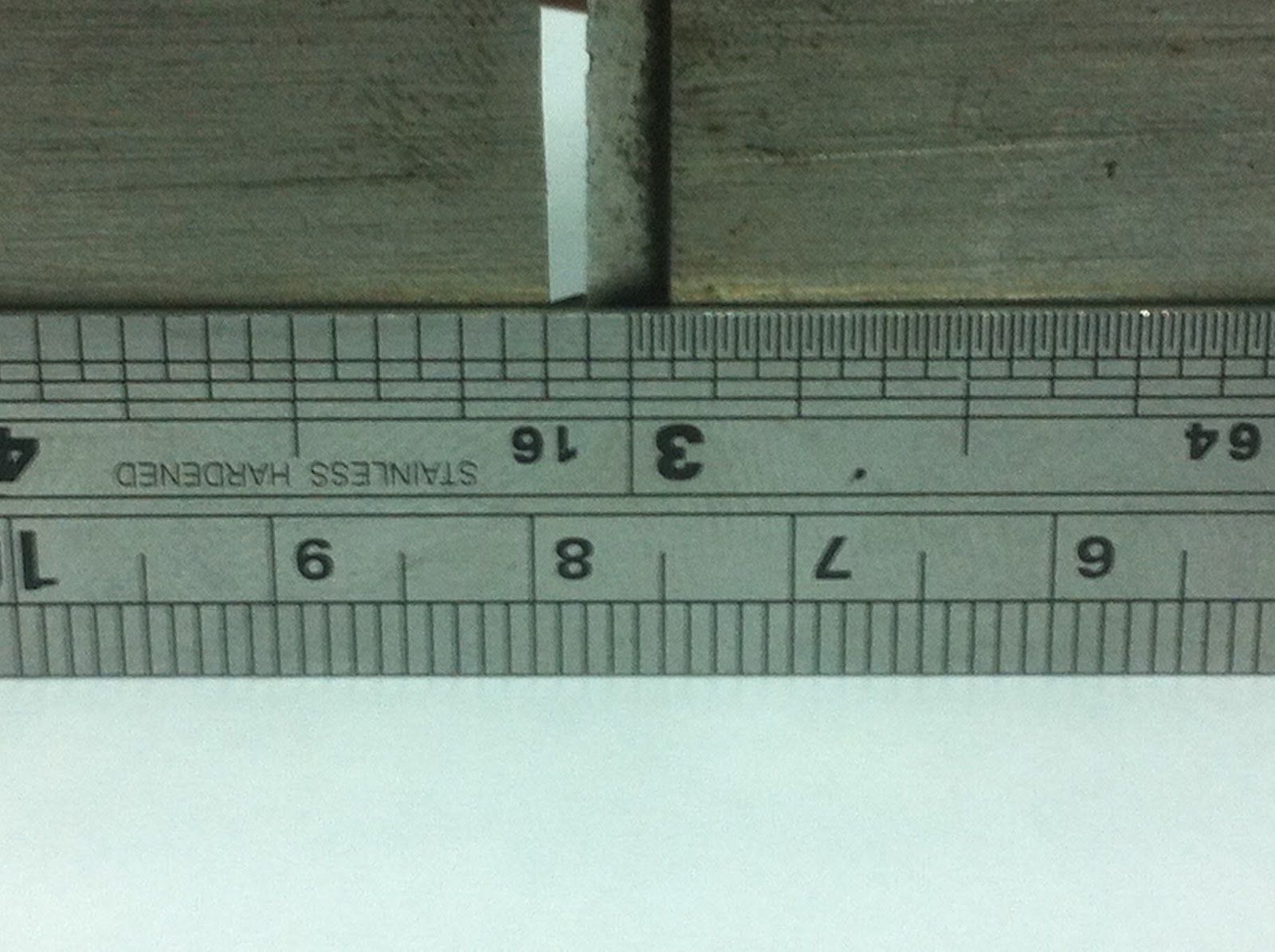
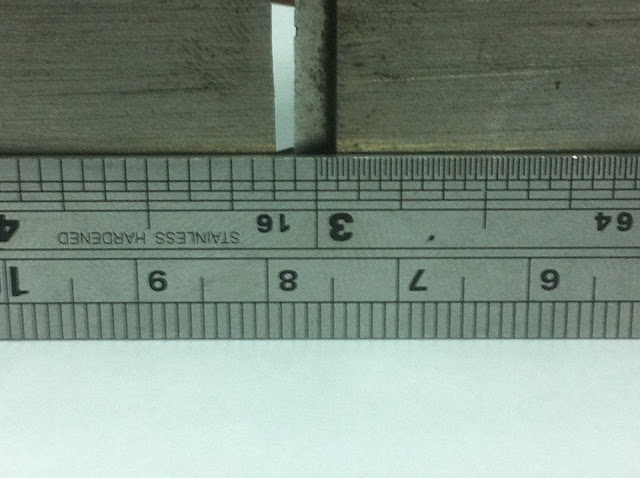
6)I set the blade of this plane on a flat piece of glass, with 2 sheets of paper under the forward end so that the blade protrudes to take a medium (non gossamer) cut. The aperture at the mouth is barely 1/16 of an inch wide. It's nothing to rave about until you have tried a Stanley Handyman or Four Square.

7) The cutter is almost 3/32 thick.

8)Lastly, many of these were forgotten and put away unused. Many still sport the factory grind, despite the micro-chips. Can you find a better engineered paper weight for the price? (go on,scroll back up and take a look again)
https://bayanlarsitesi.com/
ReplyDeleteAltınşehir
Karaköy
Alemdağ
Gürpınar
07SXH
ankara
ReplyDeletesakarya
tekirdağ
kastamonu
amasya
QGOH5
whatsapp görüntülü show
ReplyDeleteücretli.show
KWA
B99B8
ReplyDeleteHatay Lojistik
Kırıkkale Lojistik
Urfa Parça Eşya Taşıma
Ordu Lojistik
Çorlu Lojistik
4C03B
ReplyDeleteMersin Lojistik
Konya Evden Eve Nakliyat
Eskişehir Evden Eve Nakliyat
Sinop Parça Eşya Taşıma
Siirt Parça Eşya Taşıma
5E3E6
ReplyDeleteÇorum Lojistik
Hatay Evden Eve Nakliyat
Kilis Lojistik
Yalova Lojistik
Ardahan Parça Eşya Taşıma
7E2F4
ReplyDeleteBurdur Evden Eve Nakliyat
Bartın Evden Eve Nakliyat
Rize Şehirler Arası Nakliyat
Keçiören Fayans Ustası
Balıkesir Lojistik
Yalova Parça Eşya Taşıma
Zonguldak Şehir İçi Nakliyat
Uşak Lojistik
Aksaray Evden Eve Nakliyat
6AE08
ReplyDeleteÇerkezköy Korkuluk
Tunceli Şehirler Arası Nakliyat
Ardahan Parça Eşya Taşıma
Malatya Lojistik
Mersin Parça Eşya Taşıma
Kütahya Şehirler Arası Nakliyat
Erzurum Şehirler Arası Nakliyat
Uşak Evden Eve Nakliyat
Sakarya Şehirler Arası Nakliyat
5306F
ReplyDeleteAğrı Parça Eşya Taşıma
Muğla Evden Eve Nakliyat
Rize Evden Eve Nakliyat
Referans Kimliği Nedir
İstanbul Parça Eşya Taşıma
Aksaray Parça Eşya Taşıma
Düzce Şehirler Arası Nakliyat
Ünye Halı Yıkama
Gümüşhane Şehir İçi Nakliyat
1EF91
ReplyDeleteHotbit Güvenilir mi
Yenimahalle Parke Ustası
Tekirdağ Fayans Ustası
Ünye Televizyon Tamircisi
Sui Coin Hangi Borsada
Ankara Fayans Ustası
Çorum Parça Eşya Taşıma
Aydın Şehir İçi Nakliyat
Kırşehir Parça Eşya Taşıma
F1430
ReplyDeleteTrabzon Şehir İçi Nakliyat
Muş Şehir İçi Nakliyat
Rize Şehir İçi Nakliyat
Ünye Çatı Ustası
Dxy Coin Hangi Borsada
Düzce Parça Eşya Taşıma
Mersin Lojistik
Bartın Şehirler Arası Nakliyat
Sivas Evden Eve Nakliyat
60146
ReplyDeletekomisyon indirimi %20
444B7
ReplyDeleteartvin görüntülü sohbet ücretsiz
canlı sohbet
zonguldak sesli sohbet odası
bolu rastgele görüntülü sohbet uygulamaları
en iyi ücretsiz görüntülü sohbet siteleri
afyon parasız görüntülü sohbet uygulamaları
agri parasız görüntülü sohbet
kars canlı görüntülü sohbet odaları
kayseri rastgele sohbet
7C203
ReplyDeletesamsun canlı ücretsiz sohbet
en iyi ücretsiz sohbet siteleri
izmir random görüntülü sohbet
kadınlarla sohbet et
hatay kızlarla rastgele sohbet
kırklareli görüntülü sohbet sitesi
ücretsiz sohbet
ücretsiz sohbet sitesi
tokat canlı sohbet bedava
8B5A2
ReplyDeleteeskişehir sohbet
Bartın Canlı Ücretsiz Sohbet
kadınlarla rastgele sohbet
balıkesir random görüntülü sohbet
Adana Canlı Ücretsiz Sohbet
kütahya görüntülü sohbet yabancı
canlı sohbet siteleri ücretsiz
görüntülü sohbet yabancı
muş sesli mobil sohbet
1149F
ReplyDeletegörüntülü sohbet kadınlarla
kastamonu mobil sohbet siteleri
Bayburt Rastgele Görüntülü Sohbet
sohbet sitesi
ordu rastgele görüntülü sohbet ücretsiz
Denizli Random Görüntülü Sohbet
Balıkesir Telefonda Kadınlarla Sohbet
Antep Ücretsiz Sohbet Uygulaması
mobil sohbet odaları
شركة تنظيف فلل بالدمام DgmkaHJMi3
ReplyDelete392AC9ADD0
ReplyDeleteinstagram takipçi mobil ödeme
شركة تنظيف فلل بالقطيف nAGMvhl3ep
ReplyDelete65938FE4AC
ReplyDeleteTelegram Coin Botları
Telegram Farm Botları
Telegram Para Kazanma Botları
Telegram Para Kazanma Grupları
Binance Hesap Açma